

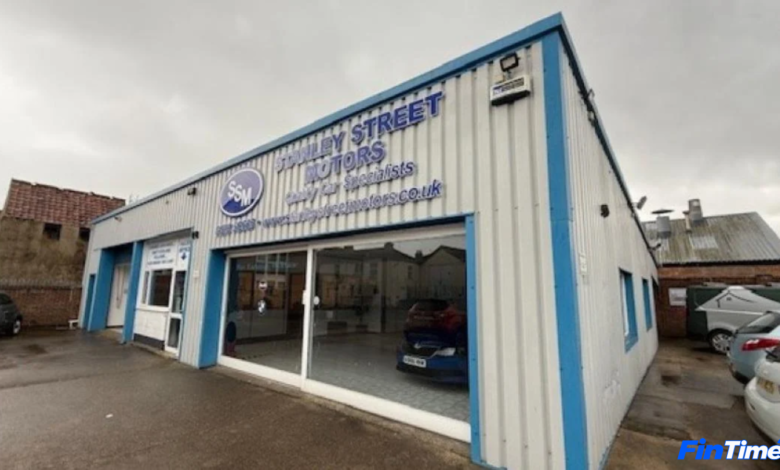
The closure of a long-established local business can mean more than an empty showroom. For customers who have bought several cars from the same dealer, it can mark the end of a familiar relationship built on years of conversations, recommendations, and repeat purchases.
The news that Stanley Street Motors Lowestoft closes brought an end to a significant chapter in the town’s independent motor trade. The dealership had operated since 1980 and ceased trading in 2025 after approximately 45 years, citing its owner’s ill health and retirement.
The closure also raised practical questions: What happened to the dealership’s premises? Was the business struggling financially? Can former customers still obtain help with warranties or previous purchases? And what should motorists know before dealing with another business using a similar name?
What Was Stanley Street Motors in Lowestoft?
Stanley Street Motors was an independent used-car dealership based on Stanley Street, Lowestoft, Suffolk, with a history dating back to 1980.
For decades, the business served motorists looking for vehicles across a range of categories, from everyday family cars to sports and prestige models. Historical dealership information also advertised vehicle sourcing, finance arrangements, part-exchange options, and preparation services.
The dealership’s appeal reflected the role that independent motor businesses can play in a local community. Customers could visit a physical showroom, inspect vehicles, arrange test drives, and discuss purchases directly with dealership staff.
Key facts about the business include:
- Established: 1980.
- Location: Stanley Street, Lowestoft, Suffolk, postcode NR32 2DY.
- Time in business: Approximately 45 years.
- Closure: Trading had ceased by June 2025.
- Reported reason: The owner’s ill health and retirement.
- Premises: A showroom, workshop, offices, and a forecourt with space for more than 30 cars, according to the property’s sales particulars.
These details help explain why the closure attracted attention. Stanley Street Motors was not a newly opened dealership disappearing after a short period; it had been part of Lowestoft’s vehicle retail landscape for decades.
Read More: Perdita Weeks Disability: The Magnum P.I. Scenes That Sparked Questions
Why Did Stanley Street Motors Close?
The clearest publicly reported explanation is that the dealership ceased trading because of its owner’s ill health and retirement.
In a report published on 5 June 2025, Car Dealer Magazine said owner John Mitchell had decided to step back after more than four decades in the motor trade. The business’s closure announcement was also reported as stating that trading had ended because of ill health and retirement.
This is an important distinction because business closures can happen for many different reasons. Some follow financial difficulties or insolvency, while others reflect retirement, personal circumstances, changes in ownership, or a decision not to continue operating.
In this case, the reported explanation points to retirement and health circumstances.
Was Stanley Street Motors in Financial Trouble?
There is not enough evidence in the reported closure announcement to conclude that financial problems caused the dealership to shut.
The UK used-car sector has faced broader challenges, including changing consumer habits, competition from online marketplaces, operating expenses, and shifts in vehicle technology. Those issues can affect independent dealerships, but they should not automatically be presented as the reason a particular business closed.
The responsible conclusion is straightforward: the reported reason for Stanley Street Motors’ closure was its owner’s ill health and retirement. Claims of bankruptcy, poor sales, or financial collapse require separate evidence.
When Did the Dealership Actually Close?
Stanley Street Motors had ceased trading by the time the closure was reported in June 2025. The publication date confirms that the business had already stopped trading, but it should not automatically be treated as the exact final day the showroom opened.
This distinction matters when older business directories, cached pages, or vehicle advertisements still appear online. Such records may remain visible long after a business has stopped operating.
What Happened to the Stanley Street Motors Premises?
Following the closure, attention turned to the future of the former dealership site.
The property was marketed as a commercial showroom and workshop with potential for continued vehicle sales or alternative use, subject to the relevant planning requirements. The sales particulars described a substantial showroom, two offices, a presentation suite, a kitchen, a cloakroom, a workshop, and a forecourt accommodating more than 30 vehicles.
The location, within walking distance of Lowestoft town centre and its railway station, was another feature highlighted in the property marketing.
The Reported Auction and Guide Price
The premises were advertised for auction by Auction House East Anglia, with a scheduled auction date of 18 June 2025.
The advertised guide price was in the region of £200,000 to £300,000, with the property listing also displaying a £250,000 guide figure. These were marketing figures rather than confirmation of the final amount paid.
A guide price should never be confused with a verified sale price. Commercial property can sell above or below its guide, be withdrawn, or be sold before the scheduled auction.
Subsequent local property reporting indicated that the premises were advertised as let later in June 2025. That provides an indication of a change in the property’s status, but it does not by itself establish the final sale price, the identity of an owner, or the property’s long-term use.
Could the Site Become Something Other Than a Car Dealership?
The property’s marketing described potential for alternative development, subject to planning permission.
That wording is important. It means a different use may have been considered, not that permission for redevelopment had already been granted.
A former dealership site can potentially accommodate another commercial operation or, depending on local planning policy and the property’s circumstances, a different form of development. The actual future depends on ownership decisions, planning requirements, and any approvals needed.
For residents, the site’s future is separate from the reason Stanley Street Motors stopped trading. The business closure ended one chapter, while the property’s next use remained a distinct question.
What Did Stanley Street Motors Mean to Local Customers?
An independent dealership can develop a different relationship with customers from a large national chain. Repeat buyers may return to familiar staff when replacing a family car, upgrading to another model, or seeking assistance with paperwork.
Stanley Street Motors operated for approximately 45 years, giving it opportunities to serve multiple generations of motorists. Historical customer reviews included accounts of repeat purchases, helpful staff, and assistance with vehicle preparation and after-sales questions.
These reviews represent individual experiences rather than a comprehensive assessment of every transaction. Nevertheless, they help illustrate why the closure attracted interest beyond the immediate motor trade.
The Impact on Lowestoft’s Used-Car Market
The dealership’s closure removed one established option for motorists looking to buy a used vehicle in the area.
Customers who previously visited Stanley Street Motors now need to compare other dealerships, independent sellers, and online listings. That does not necessarily mean the town lacks alternatives, but it does mean former customers can no longer assume the old dealership’s services remain available.
The closure also illustrates a broader issue for independent businesses: when an owner retires after decades of running a company, finding a successor who wants to continue the same operation may not be straightforward.
What Should Former Stanley Street Motors Customers Do?
If you bought a vehicle from Stanley Street Motors or still have paperwork connected to a previous purchase, there are practical steps you can take.
1. Keep Your Original Documents
Gather your purchase invoice, vehicle registration documents, service records, warranty certificate, finance agreement, and any written promises made during the sale.
These documents identify the parties involved and may be important if you need to pursue an outstanding claim.
2. Check Who Provided Your Warranty
A dealership closing does not automatically mean every warranty associated with a car becomes invalid. Coverage depends on the warranty provider, the terms, and the nature of the protection.
- If the warranty was provided by a manufacturer, contact the manufacturer or an authorised dealer.
- If it was supplied by a separate warranty company, contact that provider directly.
- If the dealership itself made a specific promise, retain the relevant paperwork and seek advice about your options.
Do not assume a warranty remains valid in every circumstance, but do not assume it has automatically ended either.
3. Review Any Outstanding Finance
If you purchased a vehicle through finance, identify the lender named in your agreement. The finance provider is a separate party from the dealership in many arrangements.
Contact the lender directly about payment schedules, settlement figures, or questions about your agreement. Continue meeting contractual payment obligations unless the lender or a qualified adviser confirms otherwise.
4. Seek Advice About Unresolved Complaints
If you are waiting for a repair reimbursement, have a dispute about a vehicle, or paid a deposit for an incomplete transaction, gather the evidence before taking further action.
Depending on the circumstances, Citizens Advice, the relevant finance provider, a warranty administrator, or a qualified legal adviser may be able to explain the appropriate route.
The key is to identify the legal business and contractual party involved rather than relying on an old telephone number or an outdated website.
Common Mistakes to Avoid When Researching the Closure
Assuming closure means bankruptcy: The reported explanation was ill health and retirement. Do not describe the business as bankrupt unless reliable records establish that fact.
Treating an auction guide as a final sale price: A guide price is an indication used in marketing, not proof of what a buyer paid.
Assuming a similar business name means the same company: Check the legal name and company registration details on contracts and invoices. A new operator using the same street address is not automatically responsible for the old business’s obligations.
Relying on outdated online listings: Business directories can continue displaying old opening hours and contact information. Look for dated, reliable records before assuming a business is operating.
Conclusion
The story behind Stanley Street Motors Lowestoft closes is primarily one of retirement and the end of a long-established independent business. Founded in 1980, the dealership served the Lowestoft area for approximately 45 years before ceasing trading in 2025. The reported explanation was its owner’s ill health and retirement, rather than a publicly established bankruptcy or financial collapse.
The former showroom and forecourt were subsequently marketed as commercial property, with a reported auction planned for June 2025 and a guide price in the £200,000–£300,000 range. Those figures should not be mistaken for a confirmed final sale price.
For former customers, the most useful next step is to review original vehicle, finance, and warranty paperwork and contact the appropriate provider about any outstanding issues. For Lowestoft residents, the closure marks the end of a familiar name in the local motor trade, while the future use of the premises represents a separate chapter.
FAQs
1. Why did Stanley Street Motors Lowestoft close?
The business reportedly ceased trading because owner John Mitchell was stepping back due to ill health and retirement after approximately 45 years in the motor trade.
2. When did Stanley Street Motors close?
The dealership had ceased trading by June 2025, when its closure was reported by Car Dealer Magazine. The report date should not be treated as the confirmed final trading day.
3. How long had Stanley Street Motors been operating?
The dealership was established in 1980 and operated for approximately 45 years before closing in 2025.
4. What happened to the former Stanley Street Motors showroom?
The premises were marketed as a showroom and workshop, with an auction scheduled for 18 June 2025. Later property reporting indicated the site was advertised as let, but the available information does not establish every detail of its ownership or long-term future.
5. What was the asking price for the Stanley Street Motors property?
The property was advertised with a guide price of approximately £200,000–£300,000. This was an auction guide, not confirmation of the final sale price.




One Comment